
Need in-depth understanding? Read our Complete Sleep Guide for comprehensive strategies and background.
How much sleep do 2-4 year olds need?
2-year-olds need 11-14 hours of sleep in a 24-hour period, including naps. 3-year-olds need 10-13 hours of sleep, with some still taking afternoon naps. 4-year-olds need 10-13 hours of sleep, usually without naps.
Most children transition away from naps between ages 3-4, but every child is different.
What’s a good bedtime for toddlers and preschoolers?
Most 2-4 year olds do best with a bedtime between 7:00-8:30 PM. The exact time depends on:
- When they wake up naturally
- Whether they still nap
- Their individual sleep needs
- Family schedule
A consistent bedtime is more important than the exact time.
How long should naps be for 2-4 year olds?
2-year-olds: 1-3 hours, usually in the early afternoon 3-year-olds: 1-2 hours if still napping 4-year-olds: Most have outgrown naps, but quiet time is still beneficial
Naps shouldn’t be longer than 3 hours or too late in the day (after 3 PM), as this can interfere with nighttime sleep.
How do I know if my child is getting enough sleep?
Signs your child is well-rested:
- Wakes up naturally or easily
- Happy and energetic during the day
- Doesn’t fall asleep in the car during short trips
- Can handle normal daily challenges without major meltdowns
- Falls asleep within 30 minutes of bedtime
Signs they need more sleep:
- Difficult to wake up
- Cranky or hyperactive during the day
- Frequent tantrums over small things
- Falls asleep immediately when in the car
What should I do if bedtime is a battle?
Create a calming bedtime routine:
- Start wind-down 30-60 minutes before sleep
- Keep it consistent - same order every night
- Include calming activities: bath, stories, gentle music
- Avoid screens for at least 1 hour before bed
- Make the room dark and cool
- Stay calm and patient - rushing creates anxiety
If resistance continues, consider whether bedtime is too early or if they’re overtired.
When should I stop naps?
Signs it’s time to drop the nap:
- Takes longer than 30 minutes to fall asleep at naptime
- Nap time becomes a battle
- Bedtime gets pushed very late (after 9 PM)
- Still energetic and happy without a nap
- Age 4+ and fighting both nap and bedtime
Transition gradually by shortening nap time before eliminating it completely.
How do I handle early morning wake-ups?
If your child consistently wakes before 6 AM:
- Ensure room is dark - blackout curtains help
- Don’t rush in immediately - give them a few minutes
- Keep morning routine calm and quiet
- Consider if bedtime is too early
- Make sure they’re getting enough daytime light exposure
Early wake-ups often resolve naturally as children’s sleep patterns mature.
The Nightly Question: Are They Getting Enough Sleep?
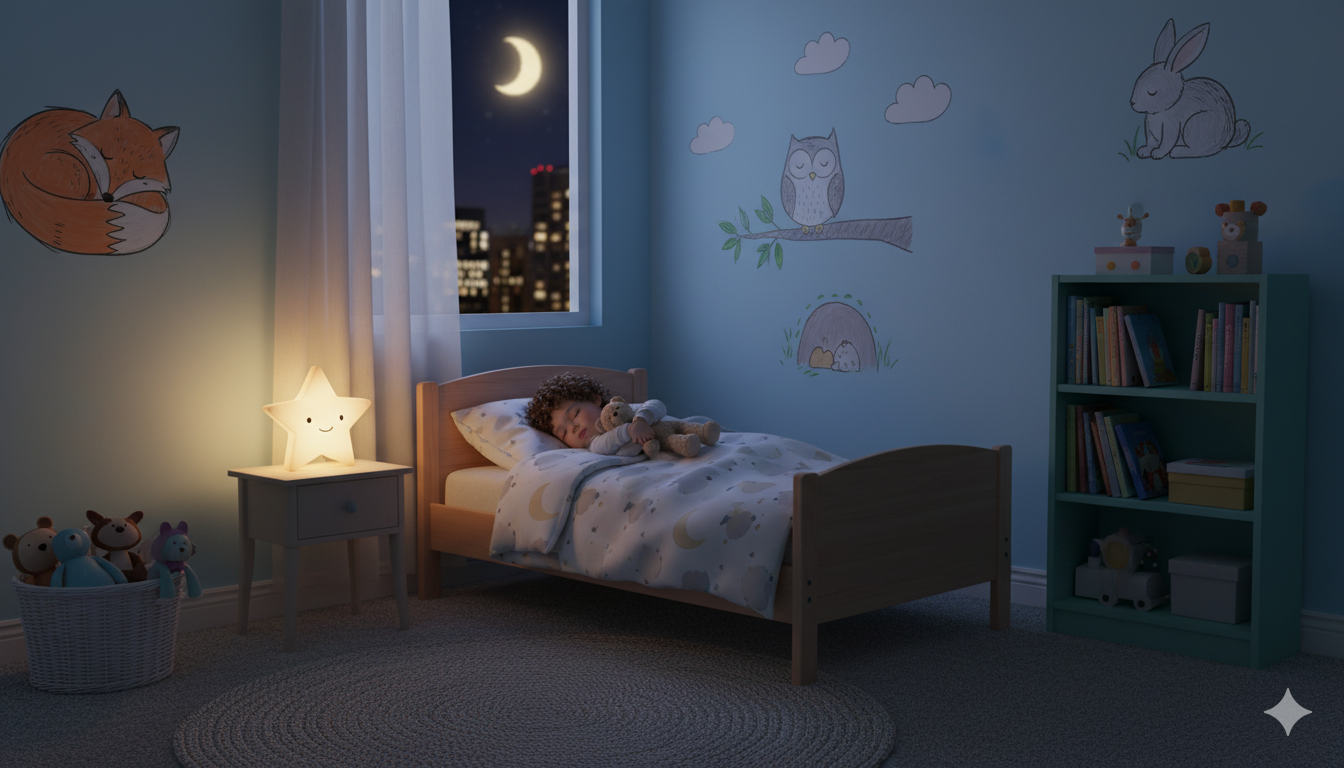
The house is quiet. The glow of the nightlight spills from under their bedroom door, and for a moment, there’s peace. But in the back of your mind, a familiar question buzzes: Are they getting enough sleep? You’ve wrestled with bedtime battles, navigated mysterious night wakings, and wondered if that skipped nap will derail the entire evening.
You are not alone. For parents of toddlers and preschoolers aged 2 to 4, sleep can feel like a complex, ever-shifting puzzle. This period is a whirlwind of developmental leaps—in language, autonomy, and emotional expression—and their sleep patterns often reflect this beautiful chaos.
So, how much sleep should my 2- to 4-year-old get?
This guide will provide you with clear, research-backed answers. We’ll move beyond just the numbers to offer actionable strategies rooted in positive parenting principles. We’ll explore common sleep problems, help you build a routine that actually works, and empower you with the parenting skills tips you need to bring calm back to your nights.
The “Why”: Understanding Toddler & Preschooler Sleep Requirements
Before we can solve sleep challenges, we need to understand the biological imperative. For a young child, sleep is not just rest; it’s a critical period of brain development. During sleep, their brain consolidates memories, forges new neural connections, and regulates hormones essential for growth and emotional stability. An overtired toddler is often a dysregulated one, making everything from listening to managing big feelings a monumental task.
A Clear Sleep Chart by Age: The Official Numbers
According to the American Academy of Pediatrics, here are the general toddler sleep requirements you should aim for in a 24-hour period (including naps):
- Children ages 1-2: 11 to 14 hours
- Children ages 3-5: 10 to 13 hours
Let’s break that down further.
How much sleep does a 2 year old need?
At age two, your child is firmly in the toddler stage. Their need for independence clashes with a deep need for security, a dynamic that often plays out at bedtime.
- Total Sleep: 11 to 14 hours per 24-hour period.
- Nighttime Sleep: Typically 10-12 hours.
- Daytime Sleep (Naps): Usually one nap of 1.5 to 3 hours. The 2 year old nap schedule is crucial; dropping this nap too early often leads to an overtired, cranky toddler by evening.
How much sleep does a 3 year old need?
Welcome to the preschool years! Three-year-olds have burgeoning imaginations, which can lead to new fears (monsters under the bed) and a greater capacity for negotiation (one more story!).
- Total Sleep: 10 to 13 hours per 24-hour period.
- Nighttime Sleep: Typically 10-12 hours.
- Daytime Sleep (Naps): Many 3-year-olds still need a 1- to 2-hour nap. However, some may begin resisting or shortening their nap, a sign that the transition away from napping is on the horizon.
Decoding 4 year old sleep needs and the end of naps
By age four, your child’s sleep patterns are maturing. Many children will stop napping regularly between the ages of 3 and 5.
- Total Sleep: 10 to 13 hours per 24-hour period.
- Nighttime Sleep: As naps are phased out, nighttime sleep often needs to consolidate to 11-12 hours.
- Daytime Sleep (Naps): Most 4-year-olds no longer nap daily. Instead, focus on establishing a “quiet time” in the afternoon to give their brains and bodies a chance to rest and recharge without sleeping.
Decoding Common Preschooler Sleep Problems
Knowing how many hours of sleep for a toddler are needed is one thing; actually getting them to sleep is another. Let’s tackle the most common hurdles.
The Dreaded “3 Year Old Sleep Regression” (And Others!)
A sleep regression is when a child who was sleeping well suddenly starts fighting sleep, waking up at night, or taking short naps. This isn’t a true “regression” in their abilities but rather a response to a major developmental leap.
Common Triggers:
- Cognitive Growth: Their brains are on fire with new skills like complex sentence-building or problem-solving.
- Emotional Development: Growing imagination can lead to new anxieties or fears of the dark.
- Social Changes: Starting preschool, a new sibling, or moving to a “big kid” bed can all disrupt their sense of security.
In-the-Moment Tip: During a regression, focus on co-regulation. This child psychology concept means lending your calm to your child. Stay patient, offer extra snuggles, and validate their feelings (“It sounds like you feel scared in the dark. I’m here to keep you safe.”) without abandoning the bedtime routine.
Navigating Bedtime Resistance and Night Wakings
The cries for “one more drink” or the sudden appearance of your child by your bedside at 2 a.m. are classic toddler and preschooler behaviors. They are testing boundaries and seeking connection.
Actionable Strategies:
- Offer Limited Choices: To support their need for autonomy, give them simple, acceptable choices. “Do you want to wear the blue pajamas or the red pajamas?” “Should we read the dinosaur book or the truck book first?”
- Stay Calm but Firm: Acknowledge their request, but hold the boundary. “I know you want another story, but it’s time for sleep now. We can read more tomorrow. I love you.”
- The Silent Return: If they come out of their room, calmly and silently walk them back to bed. Limit interaction to avoid rewarding the behavior with attention. Repeat as many times as necessary. Consistency is your greatest tool.
Building a Rock-Solid Toddler Bedtime Routine: A Gentle Parenting Approach
Preventative measures are far more effective than in-the-moment battles. A consistent and predictable toddler bedtime routine is the single most powerful tool in your parenting resources toolkit. It signals to your child’s brain and body that it’s time to wind down.
Step-by-Step: Crafting the Perfect Bedtime Ritual
A great routine should be 20-30 minutes long and consist of the same calming activities in the same order every night.
- Start with a Transition: Give a 10-minute and 5-minute warning before the routine begins. (“In five minutes, we’re going to put the blocks away and get ready for your bath!”)
- Hygiene Time: A warm bath can be wonderfully soothing. Follow with brushing teeth and getting into pajamas.
- Connection Time: This is the most important step. Spend 10-15 minutes in their room with the lights dimmed, focused entirely on them.
- Read 2-3 books.
- Sing a few quiet songs.
- Talk about their day—share your favorite part and ask for theirs.
- Final Touches: A final hug and kiss, a sip of water by the bed, and tucking them in with their favorite stuffed animal.
- The Loving Exit: Say your final goodnight and leave the room while they are still awake but drowsy. This teaches them to fall asleep independently.
Optimizing Your Toddler Sleep Schedule & Nap Times
Consistency extends beyond the bedtime routine. A predictable daily schedule helps regulate their internal clock.
- Wake-Up Time: Aim for a consistent wake-up time, even on weekends (+/- 30 minutes).
- Nap Timing: The 2 year old nap schedule should ideally start 5-6 hours after they wake up in the morning. For 3-year-olds, it might be slightly later.
- Bedtime: An ideal bedtime is typically 12-13 hours after their morning wake-up. For a child who wakes at 7 a.m., a bedtime between 7 and 8 p.m. is perfect.
Creating a Sleep-Sanctuary: The Ideal Bedroom Environment
Make their room a haven for sleep.
- Dark: Use blackout curtains to block out all light. Even a small amount of light can disrupt melatonin production.
- Cool: A cool room (around 68-72°F or 20-22°C) is most conducive to sleep.
- Quiet: A white noise machine can work wonders to block out household noises and sudden sounds from outside.
Empowering Parents with Personalized Strategies
While these guidelines and advice for new parents are based on solid research, they are still general. You know the truth: your child is not a chart or a statistic. They have a unique temperament, specific fears, and a personality all their own. A strategy that works for one child might not work for yours.
This is where personalized tools like the Kiddimoti app can transform your approach, moving beyond general advice to a plan built around your child’s unique personality, likes, dislikes, and specific challenges. By building a sophisticated context of who your child is, it helps you understand the why behind their sleep struggles and provides tailored strategies that resonate with your family’s parenting style.
When to Consult a Professional for Sleep Issues
While most sleep challenges are developmental and can be managed at home, some situations warrant a discussion with your pediatrician or a certified sleep consultant.
Reach out for help if you notice:
- Loud, consistent snoring or gasping for air during sleep (could be a sign of sleep apnea).
- Extreme difficulty falling asleep or staying asleep that doesn’t improve with routine adjustments.
- Frequent, intense night terrors or nightmares.
- Daytime behavioral issues or hyperactivity that you suspect are linked to poor sleep quality.
Your Path to Peaceful Nights and Brighter Days
Figuring out how much sleep your 2- to 4-year-old should get is the first step on a journey toward better rest for your entire family. Remember that you are their safe harbor. Your consistency, patience, and love are the anchors that help them navigate the stormy seas of toddlerhood and preschool development.
By understanding their needs, implementing a predictable routine, and holding gentle boundaries, you are not just teaching them how to sleep—you are giving them a lifelong gift of security and well-being.
Tired of the guesswork? Ready for a sleep plan that understands your unique child? Download the Kiddimoti app today and discover how personalized, AI-powered insights can guide you to more peaceful nights and happier, well-rested days.